


REVER - Motorcycle GPS & Rides
4.41.63K Reviews
App Specs
- Version
- 9.9.1
- Updated On
- License
- Free
- Downloads
- 1,000,000+
- Developer
- REVER LLC
- Categories
- Maps & Navigation
- Platform
- Android, iOS
Screenshots


 Analysis by AppCompare
I think a motorcycle navigation app earns its place on a phone when it helps me make better decisions before and during a ride, not just draw a line between two addresses. REVER - Motorcycle GPS & Rides is aimed at riders who want route guidance and a record of where they have been, with a riding community alongside those practical tools. That combination makes it more interesting than a standard map app, though it also means it suits some trips better than others.
What to expect when setting off
Speed matters in two different ways here: how quickly I can get a route ready, and how confidently I can follow it once moving. REVER presents itself as a motorcycle-focused option in the Maps & Navigation category, developed by REVER LLC. The appeal is less about replacing every navigation tool and more about making the ride itself the focus: choosing a route, following it, and keeping a record to revisit later.
For an ordinary trip across town, I would still reach for a familiar general-purpose map if the main goal were simply the quickest arrival. A dedicated riding app makes more sense when I have time to choose a more enjoyable way there, or when I want the route to become part of the day rather than a chore between destinations. That distinction helps set realistic expectations: its value is in riding context, not in assuming every journey needs a special route.
Planning for a real ride, not just a destination
The route-planning experience is described as straightforward: enter a destination, consider the suggested way there, and use turn-by-turn guidance. I like that basic workflow because it leaves room to make the ride the point. If I am heading out on a free afternoon, I can think beyond the fastest road and look for a route that sounds more appealing, then keep the destination as a loose anchor rather than the whole plan.
A useful habit is to plan with the return journey in mind, rather than treating the outbound route as the entire outing. If I am riding somewhere unfamiliar, I would check both legs before leaving and save the map for the areas where signal may be unreliable. That small bit of preparation can prevent a scenic detour from turning into a last-minute scramble when I am ready to head home.
This also clarifies who is likely to enjoy the app most. Weekend riders, touring motorcyclists, and people who like discovering roads beyond their routine have a clear reason to try it. Someone who rides only a short, familiar commute and wants the fewest possible taps may find a conventional navigation app simpler. The right choice depends on whether ride planning and ride history are part of the fun for you.
How it behaves during longer or busier rides
A ride can put more pressure on a phone than a quick glance at a map: the screen may stay active, GPS tracking can continue, and navigation has to remain useful as the road changes. I would treat any all-day tracking session as a reason to start with a charged device and a mounting setup that keeps the display readable without inviting constant fiddling. The app’s purpose is to support the ride, not to make the rider manage a phone at every junction.
Worth Reading Before You Choose

Flipboard Shows What News Apps Must Do Beyond the Feed

Switching to Android Auto Means Rethinking Your Driving Routine

Google Calendar Makes a Crowded Week Easier to Manage

Ludo King Makes the Most of the Minutes Between Plans

Baby Panda World Brings Quick Play to Modern Phones, but Its Game Library Feels Busy

ESPN’s Live Game View Makes Following Close Games Easier
For a group outing, the community side can help before the engines start. Browsing other riders’ shared routes and experiences gives me a way to find ideas without relying only on roads I already know. Once a group is moving, though, I would agree on meeting points and a plan for regrouping rather than assume that a shared app view alone will keep everyone together. Riders take different turns, stop at different times, and may have different signal conditions.
One practical trade-off is that tracking creates a richer record only if I remember to start and end it deliberately. For a casual ride, that is easy to overlook when I am focused on gloves, helmet, and departure. I would make checking the recording state part of my pre-ride routine, then review the saved ride afterward rather than trying to operate the phone while moving.
Reliability, offline preparation, and recovery
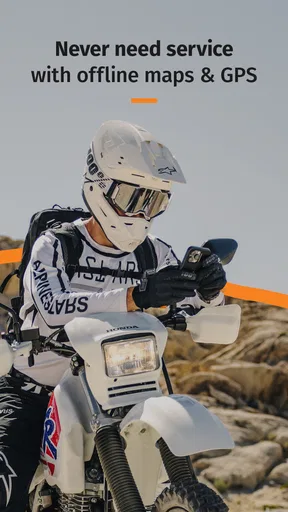
Offline maps are especially relevant on rural routes, where a reliable connection is not something I would take for granted. Downloading the area before leaving is a better plan than waiting until the signal weakens. It is also worth checking that the intended route sits within the downloaded coverage before setting off; an offline map is most useful when it has been prepared for the ride you are actually taking.
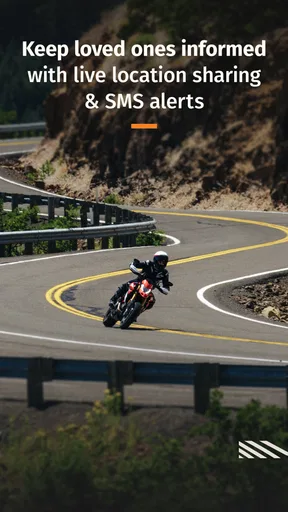
Location sharing can offer reassurance to friends or family, but I would think of it as a helpful layer, not a substitute for basic ride planning. Tell someone where you expect to go and when you hope to be back, especially for a longer solo trip. If a phone battery runs low, the device loses reception, or a route needs changing, a simple backup plan matters more than any single app feature.
On stability, I would judge the experience by whether guidance and recording remain dependable over the length of a ride, rather than by how polished the first screen looks. The app’s focus on tracking and navigation makes preparation important: keep the phone secure, make sure it has power, and avoid relying on an unfamiliar workflow for the first time far from home. If something interrupts a session, I would check the ride record as soon as it is safe to stop, rather than assume every detail has been captured perfectly.
Device limits and the cost of using a phone on the bike
REVER is free to download, with optional in-app purchases priced from $7.49 to $39.99 per item. I would explore the free experience before paying for anything and decide based on the routes and tools I actually use. That is a more sensible approach than assuming every rider needs an upgrade. The app is rated for Teen audiences, and its current version is 9.5.1; it requires Android 8.0 or later.
Phone hardware can shape the experience as much as the app. A small display, glare, a weak battery, or an unstable mount can make navigation frustrating even when the route itself is clear. Before a longer ride, I would test the mount and visibility in daylight, set the route while stopped, and keep interaction to a minimum once underway. Those steps are particularly useful for riders who do not already use a dedicated motorcycle navigation unit.
There is also a real resource trade-off in using a phone for both navigation and ride tracking. GPS use and a visible screen can drain a battery faster than casual map checks, so a long trip may call for a charging plan. Riders who prefer not to mount a phone, or who want a device built specifically for cockpit use, may be happier with dedicated hardware and use REVER for planning or reviewing rides instead.
Where it sits beside ordinary map apps
General navigation apps are hard to beat when I need traffic-aware directions, familiar destination search, or the quickest route through daily errands. REVER’s stronger case is the broader riding routine: looking for an enjoyable route, recording a trip, and finding inspiration from other riders. I would not treat those options as mutually exclusive. A rider can use a standard map for a time-sensitive commute and turn to REVER when the route itself deserves more attention.
Compared with a paper map, the app can provide live guidance and keep a digital ride record, but paper remains useful as a no-battery fallback. Compared with a dedicated GPS unit, a phone-based app is convenient if the phone is already part of your setup, while the dedicated device may be preferable for riders who prioritize a purpose-built screen. The best choice depends on your tolerance for phone mounting, charging, and managing navigation on a device you also use for everything else.
REVER has a 4.4 average from around 16,000 ratings, and it has been installed over a million times. Those figures suggest a substantial audience, but they cannot tell me whether the route style or workflow will suit an individual rider. I would make that call by trying it on a familiar, low-stakes ride first, then deciding whether its planning and tracking approach earns a place on more ambitious trips.
Discovering the Open Road with REVER
When I first stumbled upon REVER, I was intrigued by its promise of turning every ride into an adventure. So, I decided to give it a try, and let me tell you, it did not disappoint. The app is like having a personal guide in your pocket, ready to show you the best routes and hidden gems you never knew existed.
Easy Navigation and Route Planning
The first thing I noticed was how user-friendly the interface is. Starting up the app, you’re greeted with a clean design that's easy to navigate. Planning a route is as simple as entering your destination and letting REVER do the rest. The app provides detailed maps and turn-by-turn directions, ensuring you never miss a beat.
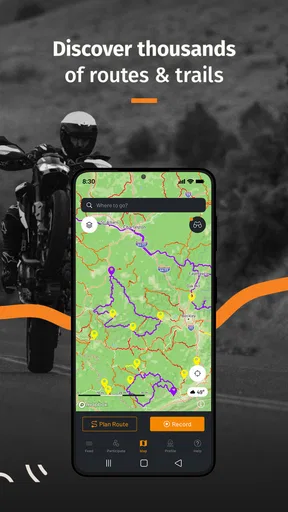
What really sets REVER apart is its ability to suggest scenic routes. Instead of the usual highways, it gives you options that take you through breathtaking landscapes and lesser-known paths. It's like having a friend who knows all the secret spots!
A Community of Riders
One of the coolest features is the community aspect. Within the app, you can connect with fellow riders from all over the world. Share your favorite routes, discover new ones, and even join group rides. It’s a fantastic way to meet like-minded individuals and share the joy of riding.
I found myself diving into the stories and photos shared by others, which added a social element that made me feel part of a larger community. It’s this sense of camaraderie that makes REVER more than just a navigation tool.
Tracking and Analytics
For those who love data, REVER offers comprehensive tracking and analytics. You can monitor your speed, distance, and even the elevation of your rides. It’s perfect for keeping track of your progress and setting new goals. Plus, the stats are stored in the app, making it easy to look back on your adventures.
As someone who loves seeing improvement over time, this feature is a real gem. It’s motivating to see how far you’ve come and what you’ve accomplished on your rides.
Offline Maps and Safety Features
Worried about losing signal in the middle of nowhere? REVER has got you covered with its offline maps. You can download maps of your route beforehand, ensuring you stay on track even when the signal drops off. This is a lifesaver for those remote rides where connectivity is sketchy.
Safety is also a priority with the app. It includes features like live location sharing, so friends and family can keep an eye on your whereabouts. It’s a reassuring touch that lets you enjoy your ride with peace of mind.
Tailored for All Types of Riders
Whether you’re into dirt biking, touring, or cruising, REVER caters to all kinds of riders. I found it incredibly versatile, with different settings and suggestions based on the type of riding you prefer. It’s like having a customized experience that fits your style perfectly.
The app even integrates seamlessly with other devices and platforms, making it a flexible choice for any tech-savvy rider. You can sync it with your smartwatch or other GPS devices for an even more intuitive experience.
Final Thoughts
After spending some quality time with REVER - Motorcycle GPS & Rides, I can confidently say it’s a must-have for any motorcycle enthusiast. It combines functionality with a sense of adventure, making every ride memorable. The mix of navigation, community engagement, and safety features makes it a well-rounded app that enhances the riding experience.
If you’re ready to take your rides to the next level, give REVER a shot. It might just change the way you explore the open road. And who knows? You might find yourself discovering a new favorite route or meeting some incredible people along the way.
Pros
- User-friendly interface for easy navigation.
- Comprehensive route planning features.
- Real-time tracking for safer rides.
- Active community for ride sharing.
- Offline maps for remote areas.
Cons
- Limited free features available.
- Battery drain on long rides.
- Occasional map inaccuracies.
- Subscription required for premium features.
- Requires constant internet for live tracking.
FAQs for REVER - Motorcycle GPS & Rides
What is REVER and how does it enhance the motorcycle riding experience?
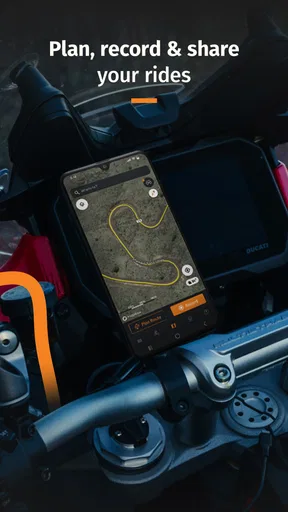
REVER is a GPS navigation app designed specifically for motorcycle enthusiasts. It offers features like route planning, ride tracking, and community sharing, enhancing the riding experience by helping users discover new routes, track their progress, and connect with fellow riders. The app's user-friendly interface makes it easy for motorcyclists to explore and record their journeys.
Does REVER require an internet connection to function?
While REVER offers offline capabilities, certain features require an internet connection. You can download maps for offline use, which is beneficial in areas with limited connectivity. However, for real-time tracking and sharing your rides with the community, an internet connection is necessary to ensure seamless functionality.
Is REVER suitable for all types of riders and motorcycles?
Yes, REVER caters to all types of motorcycle riders, whether you're a casual rider or a long-distance tourer. The app supports various riding styles and provides customizable routes that suit different preferences. With its extensive route library and community features, REVER is a versatile tool for anyone passionate about motorcycle riding.
Are there any subscription plans or in-app purchases available in REVER?
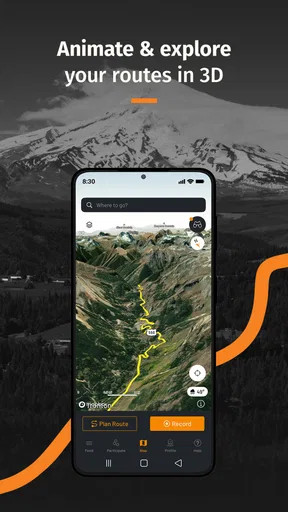
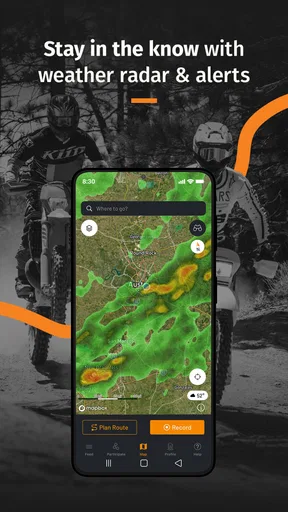
REVER offers both a free version and a premium subscription called REVER Pro. The free version includes basic features like ride tracking and route discovery. REVER Pro, available via in-app purchase, unlocks advanced features such as 3D maps, weather alerts, and Butler Maps recommendations, providing a more comprehensive riding experience.
How does REVER ensure the privacy and security of its users?
REVER takes user privacy seriously, implementing robust security measures to protect personal data. Users can control their privacy settings, deciding who can see their rides and shared routes. The app also complies with data protection regulations, ensuring that your information is handled responsibly and securely.


